These little things from Morocco that I wasn't expecting
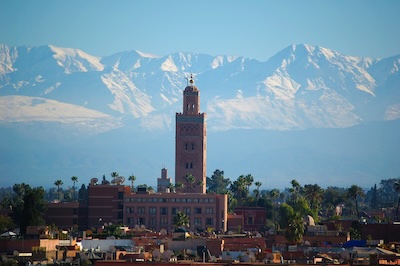
Before leaving, I had my images neatly arranged in my head: the colorful souks, the dry heat, the breathtaking landscapes. The kind of clichés you create unintentionally by scrolling endlessly.
And as is often the case when traveling, reality took care to qualify all of that.
I'm not talking about the big moments here, the kind that end up in stories and on travel blogs. No, it's more about the accumulation of little things I wasn't expecting at all. Those details that fly under the radar but, in the end, really define a place.
1. Time here has a different rhythm
The first thing that struck me was the pace. Or rather: the absence of constant running.
Things take the time they take. Conversations too. At first, with my deeply ingrained European habits, I almost lost my temper two or three times. And then, without really realizing it, I slowed down. As if the country had a different frequency, and my brain had finally synchronized.
This is one of the most confusing, and most precious, things about traveling to Morocco: you don't just change scenery, you change tempo.
2. Noisy, yes, but not only that
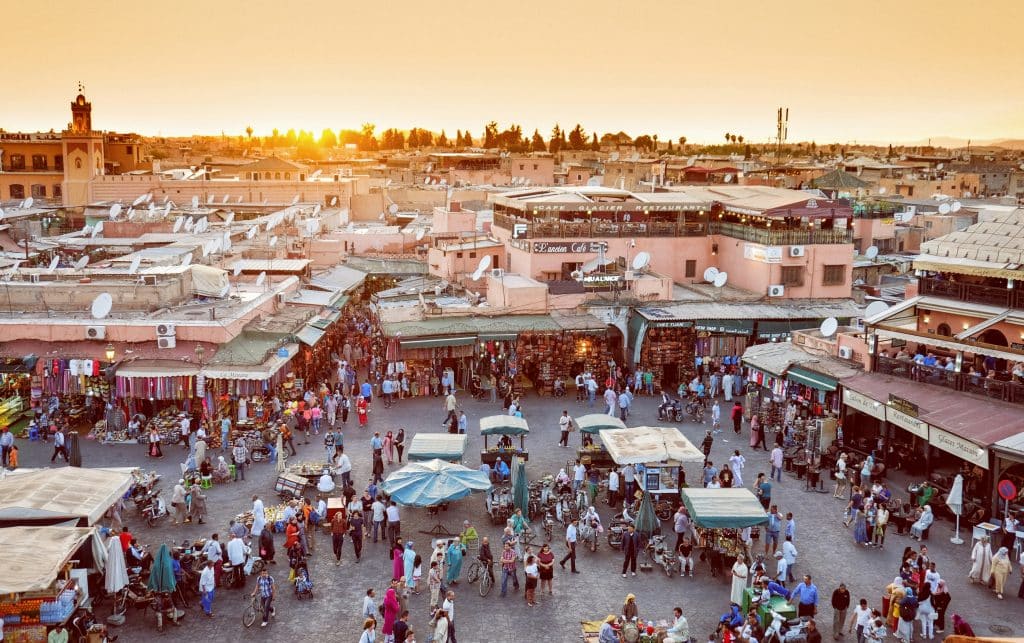
I imagined something quite noisy and continuous. And indeed there is life everywhere: the city, the markets, the car horns, the people.
But what I hadn't anticipated was the contrast. Because there are also pockets of truly striking calm: in a riad, early in the morning, in certain secluded alleyways. Moments when the city seems to hold its breath.
This back and forth between energy and silence is something I hadn't seen coming.
3. Hospitality, the everyday version
It's been talked about so much that I was afraid it had become a marketing ploy. And yet.
What touched me wasn't the grand, ceremonial welcome. It was much more discreet than that: an impromptu conversation, advice given unasked, help offered simply on the street, without expecting anything in return. Exchanges that sometimes last five minutes but stay with you for much longer.
It's this very human side, very rooted in everyday life, that I hadn't really anticipated.
4. Mint tea is a whole ritual
I knew it was a symbol. I didn't know to what extent it was a ritual.
You don't just pour yourself a mint tea like you grab a quick coffee. You prepare it, pour it from above, share it. It's a moment in itself, a way of saying «"We're taking our time"» without having to explicitly state it. And that says a lot about how people live together in Moroccan culture.
5. Morocco is not frozen in time
I admit that I had a slightly too idealized image. «"postcard"» in the lead.
The reality is a country in motion, where the very traditional and the very contemporary coexist without anyone batting an eye. You go from a scene that seems to come from another century to something resolutely current, sometimes on the same street.
It's disorienting for the first few hours, then it becomes one of the most interesting parts of the trip. Morocco can't be easily summed up, and that's a good thing.
6. All senses awakened
I really didn't see that coming on this scale.
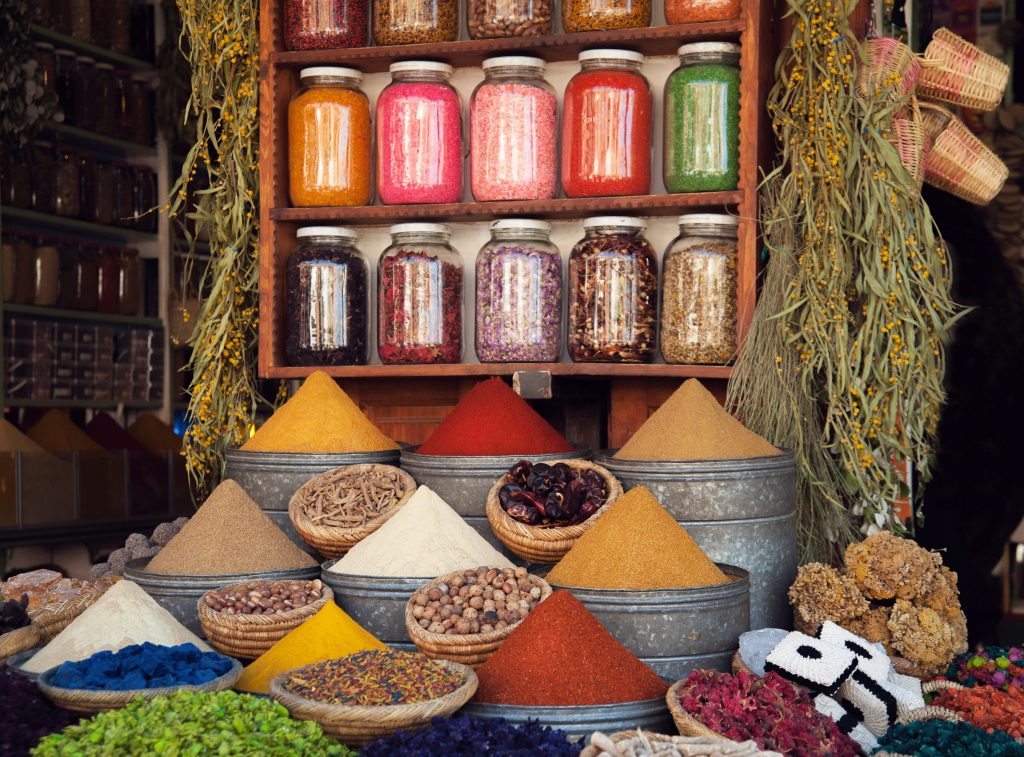
The smells, the textures, the colors, the sounds: everything is there, everywhere, all at once. It's not overwhelming, but it's intense. You don't just wander around with your eyes. You travel with all your senses. And that impression stays with you long after you return.
7. This unexpected feeling of familiarity
And then there's this, which is difficult to explain without sounding overly sentimental.
Despite the differences, there are moments when one feels strangely at ease. Gestures, ordinary scenes, interactions that give a bizarre impression of «"I know that feeling."». Not exactly déjà vu. Rather a form of unexpected recognition.
It's often this kind of feeling that lingers the longest after a trip.
Ultimately, what I remember about Morocco isn't a list of must-sees. It's an accumulation of little things: rhythms, smells, exchanges that end up forming something coherent and quite powerful.
And that's probably the real richness of a trip: what we hadn't planned to notice, but which still remains.


